Candidate Experience and Employer Brand

The Competitive Edge Nonprofits Can’t Ignore
The nonprofit job market has changed. Mission-driven professionals aren’t just seeking a paycheck, they’re seeking purpose, clarity, and an organization that walks its talk. And that journey often begins with the hiring experience.
In 2025, candidate experience is employer branding.
It sends a loud message about how your organization values people, communicates expectations, and lives its values. According to SHRM, 60% of job seekers report a negative candidate experience would make them less likely to support or donate to that organization in the future, even if they were aligned with the mission. That’s not just a hiring issue, that’s a reputational risk.
So what does a strong candidate experience look like? And how can nonprofits embrace transparency without overextending their resources?
Transparency Builds Trust and Reputation
A transparent hiring process signals confidence in your culture. It tells candidates: "We know who we are, what we expect, and how we treat people."

Whether you're recruiting an executive director or hiring your next development associate, candidates want:
Clear communication about timelines and next steps
Realistic expectations about compensation and role scope
Honest conversations during interviews, not marketing pitches
Respectful follow-up, even if they’re not selected
In fact, a 2025 study from Harvard Business Review showed that organizations with transparent hiring practices saw a 30% increase in offer acceptance rates and higher Glassdoor ratings.
Pro tip: Even a brief, thoughtful rejection email can leave a lasting impression. Candidates remember how they were treated.
Candidate Experience Is Your Employer Brand
Your employer brand is more than a mission statement or a careers page. It’s the lived experience of every candidate, every email, every interview.
Candidates are asking:
Do your values show up in how you treat applicants?
Are you inclusive in how you assess talent?
Do you respond promptly and professionally?
Nonprofits with a strong employer brand showcase:
DEI in Action: Not just statements, but inclusive assessments and diverse interview panels.
Growth Opportunities: Showcasing staff development, mentorship, and internal promotions.
Real Culture Snapshots: Inviting candidates to engage with team members or shadow for an hour.
According to Forbes, organizations with a strong employer brand see 50% more qualified applicants and 28% less turnover.
Modernizing the Hiring Experience: Human Meets Tech
Don’t worry; you don’t need a Silicon Valley tech stack to create a great experience. But you do need:
Structured interview processes that reduce bias
Clear role scopes that focus on skills over credentials
Personalized communication that reflects your culture
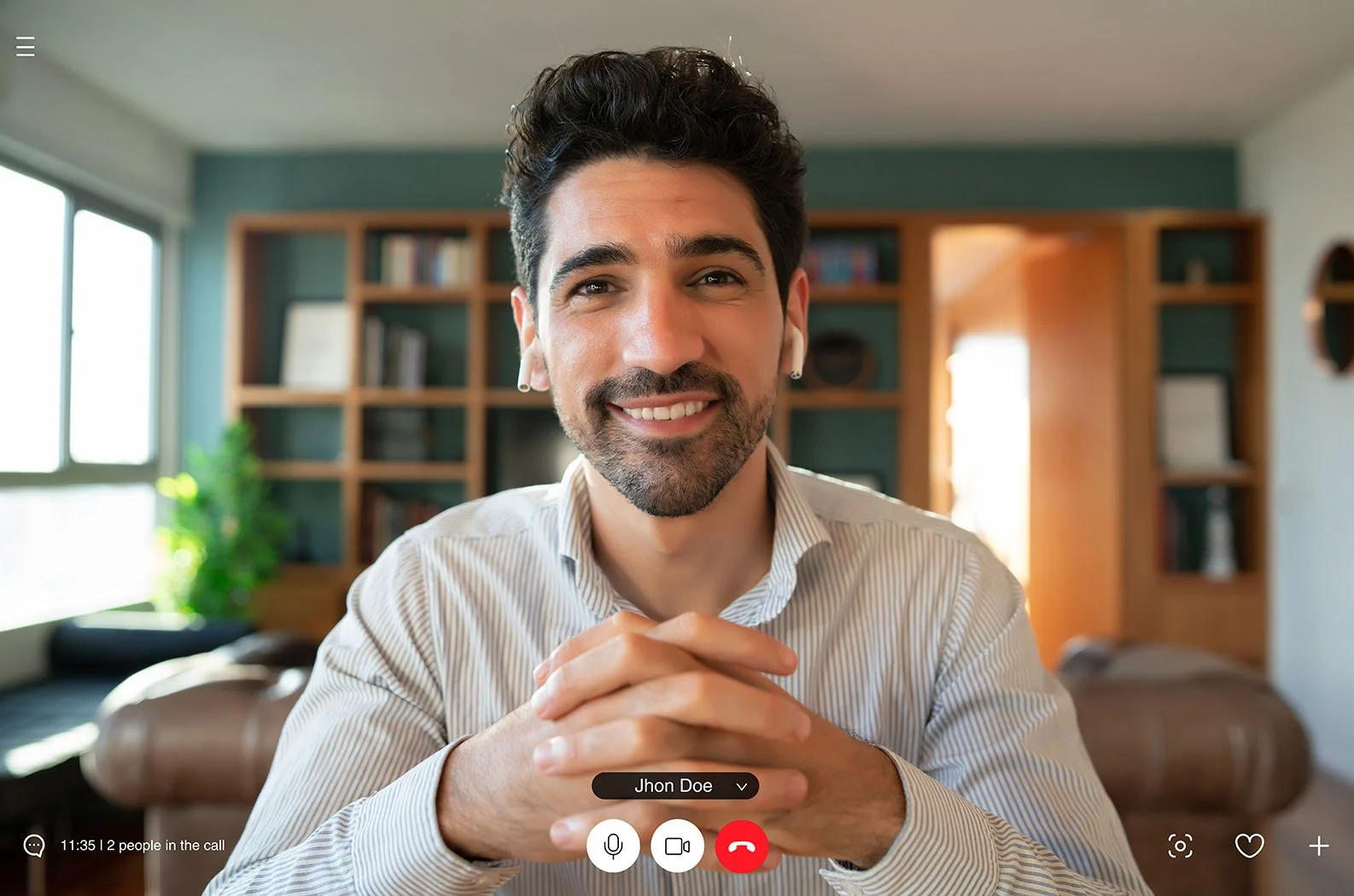
Increasingly, nonprofits are using digital tools for interview scheduling, and more robust applicant tracking systems, and simple surveys to gather candidate feedback.
At Mission Edge, we often advise our clients nationwide to develop transparent hiring workflows that align with their culture and capacity.
Whether that means setting expectations and competency models early, or assigning one internal point of contact per candidate, the goal is clarity, not complexity.
Why This Matters for Executive Searches
The stakes are even higher for executive recruitment. A candidate applying for a C-suite role expects:
Clear alignment between your board, leadership, and staff expectations
Professionalism in process and communication
Strategic insight into how you operate as a team
A messy or unclear executive hiring process can cost your organization credibility, especially when these candidates often bring networks, donor connections, and leadership reputation.
Mission Edge Tip: Before launching an executive search, audit your hiring process. Is it efficient, transparent, and value-aligned?
Building a Candidate Experience You Can Be Proud Of
Here’s how to start improving your nonprofit hiring strategy today:
Audit Your Candidate Journey: Where do people get stuck, confused, or ghosted?
Create a Hiring Guide: Outline your process, roles, timelines, and who communicates what.
Train Your Interviewers: Align them on expectations, tone, and behavioral interview questions.
Follow Up With Everyone: Especially those who weren’t selected, your next hire might be a reapplicant.
Share the Story: Use your careers page and job postings to highlight your values, benefits, and work culture.
Mission Edge: Hiring With Heart and Strategy
At Mission Edge, we help nonprofits nationwide build talent strategies that reflect their values and improve hiring outcomes. Whether you’re launching an executive search or refining your entire HR infrastructure, we bring the tools and guidance to strengthen your candidate experience from the inside out.
Check out our HR Managed Services or Nonprofit Executive Search for more ways we help nonprofits across the country modernize their people practices.
Because transparency isn’t just a trend, it’s a strategy for trust.

Ready to rethink your nonprofit recruitment strategy?
Let’s talk. Connect with the Mission Edge HR team or explore our nonprofit HR consulting services to design a performance system that actually works.