Start a Nonprofit Without 501(c)(3) Status: The Fiscal Sponsorship Path

Yes, you can start a nonprofit without filing for 501(c)(3) status right away. Through fiscal sponsorship, a new charitable project can operate under an established 501(c)(3) organization's tax-exempt status, accept donations, apply for grants, and begin its work immediately, without ever submitting IRS Form 1023.
For founders who have a mission ready to go but don't want to spend months preparing paperwork before doing any actual work, this is often the fastest legitimate way to get started.
What It Means to Start a Nonprofit Without Your Own 501(c)(3)
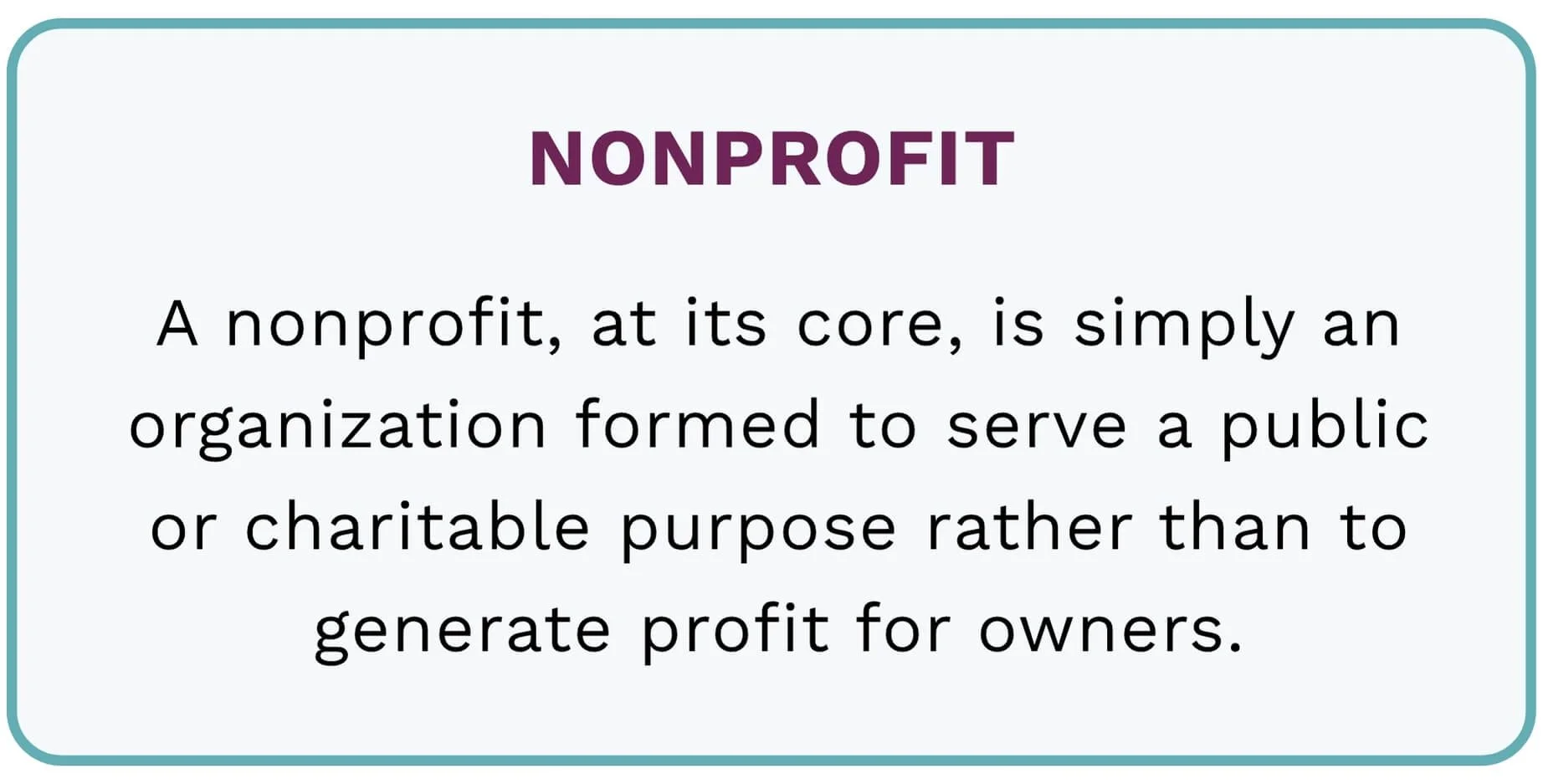
Most people use "starting a nonprofit" and "getting 501(c)(3) status" as if they're the same thing. They aren't.
According to Candid, there are roughly 1.9 million registered nonprofits in the United States, and a large share of them started as small, informal projects long before they held their own exemption letter.
You can begin running programs, recruiting volunteers, and building community support without any IRS filing at all. What you can't do as an unincorporated group is offer donors a tax deduction or apply for most foundation grants, since nearly all major grantmakers require proof of 501(c)(3) status before they'll issue funds. That's the gap fiscal sponsorship closes.
Why Founders Delay the 501(c)(3) Filing
The paperwork involved is a legitimate reason to pause. As of 2026, the standard IRS Form 1023 carries a $600 filing fee, and the IRS's own tracking page shows current review times running 6 to 12 months.
There is a shorter Form 1023-EZ, with a $275 fee and a 2 to 4 week turnaround, but it's only available to organizations projecting average annual gross receipts under $50,000 and total assets under $250,000, and unincorporated associations can't use it at all. Many founders with a promising idea simply don't qualify for the fast option yet, and don't want to wait a year to start fundraising.
Fiscal Sponsorship: The Legal Way to Operate Before You Have Your Own Exemption
As the National Council of Nonprofits describes it, fiscal sponsorship gives a charitable cause a way to attract donors and grant funding even before it's recognized as tax-exempt. Under the most common arrangement, known as Model A, your project becomes a sponsored program of an existing 501(c)(3). The sponsor holds legal and fiduciary responsibility, issues tax receipts to your donors, and often handles back-office functions like accounting, payroll, and compliance, while you focus on running the program itself.
This is different from simply asking an existing nonprofit to "pass through" money on your behalf, an arrangement sometimes called fiscal agency, which lacks the oversight the IRS expects and doesn't hold up to scrutiny. Model A fiscal sponsorship works because the sponsor exercises real discretion over how funds are used and remains accountable for the project's activities.

What Fiscal Sponsorship Unlocks Before You File
Donors can give to your project and receive a tax-deductible receipt immediately
You become eligible for foundation and government grants that require 501(c)(3) status
Payroll, insurance, and financial reporting can run through the sponsor's existing infrastructure
You can test whether your program has staying power before committing to a permanent legal structure
Step by Step: Launching Your Nonprofit Project Through Fiscal Sponsorship
Define your charitable purpose. Write a clear, specific description of the public benefit your program provides. Sponsors need this to confirm your work fits within their exempt purpose.
Find a fiscal sponsor whose mission aligns with yours. Look for organizations already sponsoring similar work. This guide to finding a reputable fiscal sponsor covers what to look for.
Apply and go through the sponsor's review. Most sponsors want to see a defined program, some initial funding or pledges, and leadership capable of running day-to-day operations.
Sign a fiscal sponsorship agreement. This document spells out each party's responsibilities, fees, and how funds will be handled.
Start fundraising and operating under the sponsor's 501(c)(3) status. Donors give directly to the sponsor, designated for your program, and receive their tax receipt right away.
Build a track record, then decide on next steps. Many projects stay under fiscal sponsorship indefinitely. Others eventually file for independent 501(c)(3) status once they've built the funding history and operational capacity to support it.
Common Questions About Starting a Nonprofit Without 501(c)(3) Status

Can I legally accept tax-deductible donations before I have my own 501(c)(3)?
Yes, as long as you're operating through a fiscal sponsor. Donors give to the sponsor's 501(c)(3), designated for your program, and the sponsor issues the tax receipt. Without a sponsor, an unincorporated project cannot offer donors a deduction.
Is fiscal sponsorship the same thing as being a nonprofit?
Not exactly. Under Model A fiscal sponsorship, your project operates as a program of the sponsor's existing nonprofit rather than as its own separate legal entity. You get access to nonprofit infrastructure and tax-exempt fundraising without incorporating or filing with the IRS yourself.
How much faster is this than filing Form 1023?
Most fiscal sponsors can onboard a ready project in a matter of weeks. Compare that to the IRS's current processing times of 6 to 12 months for a standard Form 1023, or 2 to 4 weeks for Form 1023-EZ if your organization is even eligible to use it.
Can I still form my own 501(c)(3) later?
Yes. Fiscal sponsorship is often used as a launch phase rather than a permanent arrangement. Once a project has demonstrated funding stability and operational maturity, many founders choose to spin off into an independent nonprofit. This comparison of fiscal sponsorship versus nonprofit formation walks through what that decision involves.
Deciding If This Path Fits Your Mission
Filing for 501(c)(3) status is a meaningful step, but it doesn't have to be the first one. If your program is ready to serve people now, fiscal sponsorship lets you start a nonprofit's actual work, fundraising, programming, and impact, while the formal 501(c)(3) filing waits until you're ready for it, if you ever need it at all.
Mission Edge partners with founders at exactly this stage, offering fiscal sponsorship built on integrated accounting and HR support so your project has real infrastructure from day one.