
Nonprofit Accounting Costs: Why a Flat Fee Beats Hourly Billing

One of the first questions nonprofit leaders ask when considering professional financial support is, “How much does nonprofit accounting cost per month?”
The answer depends on the size of your organization, the complexity of your funding, transaction volume, payroll, and the level of financial support you need. But there's a second question that matters just as much and gets asked far less often: should that cost be billed by the hour, or built around a flat monthly fee tied to a documented, detailed Statement of Work? For nonprofit accounting, the billing structure itself deserves as much scrutiny as the number on the invoice.
What Does Nonprofit Accounting Cost Per Month?
For many small and mid-sized nonprofits, outsourced accounting services may range from approximately $500 to $5,000 or more per month, depending on the organization's needs. Larger or more complex organizations may spend more when they require a full accounting department or higher-level financial leadership.
As a general guide, monthly accounting costs may fall into these broad ranges:
| Monthly Cost | Typical Level of Support |
|---|---|
| $500–$1,000 | Basic bookkeeping and limited monthly reporting |
| $1,000–$2,500 | Full-service bookkeeping with reconciliations and financial reporting |
| $2,500–$5,000+ | Grant management, payroll oversight, month-end close, controller-level support |
| $5,000+ | Comprehensive outsourced accounting department, controller, or CFO support |
These ranges are general estimates, not fixed pricing. Two nonprofits with similar annual revenue can have very different accounting needs depending on how many grants, programs, and funding sources they manage. The number of monthly transactions is a good starting point.
Why Nonprofit Accounting Shouldn't Be Billed by the Hour
Hourly billing is common in general bookkeeping and accounting, but it creates real problems for nonprofits specifically. Nonprofit budgets are reviewed by boards, shared with funders, and often built a year in advance. An accounting line item that swings from month to month based on how many hours were logged makes that planning harder, not easier.
Hourly billing can also create a mismatch in incentives. A provider paid by the hour has little reason to work efficiently, and a nonprofit worried about running up hours may hesitate to ask questions or request extra support, even when that support is exactly what the organization needs.
How a Flat-Fee Statement of Work Solves This
A Statement of Work, or SOW, is a written document that spells out exactly what your nonprofit accounting provider will deliver each month: how often accounts are reconciled, when financial statements are produced, whether grant accounting and payroll oversight are included, and who reviews the numbers before they reach your board.
Once that scope is defined, the monthly fee is set to match it. The organization pays one predictable amount each month, and the provider is accountable for delivering everything the SOW describes, not for logging a certain number of hours.
Mission Edge structures its nonprofit accounting services around this model: a flat monthly fee built from a Statement of Work that reflects what your organization actually needs, not an hourly clock.

Hourly Billing vs. Flat-Fee Nonprofit Accounting
| Feature | Hourly Billing | Flat-Fee Statement of Work |
|---|---|---|
| Monthly cost | Varies month to month | Fixed and predictable |
| Budgeting for the board | Difficult to forecast | Easy to build into the annual budget |
| Scope of work | Often loosely defined | Documented in writing, deliverable by deliverable |
| Asking extra questions | May add to the bill | Included within the agreed scope |
| Provider incentive | Paid for time spent | Paid for outcomes delivered |
What Factors Should Shape Your Statement of Work
Whether you're comparing providers or building an internal budget, the same factors that affect nonprofit accounting cost should shape what goes into your SOW.
Organization Size and Transaction Volume
The number of transactions your organization processes each month, including bank accounts, credit cards, vendors, and payroll runs, directly affects the scope of monthly work. A nonprofit with 50 transactions a month needs a smaller SOW than one processing hundreds or thousands.
Grants and Restricted Funding
Organizations receiving grants may need their SOW to specifically include tracking restricted versus unrestricted revenue, grant budgets, cost allocations, and financial reports to funders. Government-funded grants often require additional documentation, so it's worth confirming this is written into scope rather than assumed.
Payroll Oversight
Even when payroll processing itself is handled by a third-party payroll provider, your SOW should specify who reconciles payroll to the general ledger, allocates payroll costs to programs and grants, and reviews payroll liabilities each month.
Bookkeeper, Accountant, Controller, or CFO: What Belongs in Your SOW
One of the most common mistakes nonprofits make when comparing accounting costs is comparing price without comparing the level of expertise the fee actually includes.
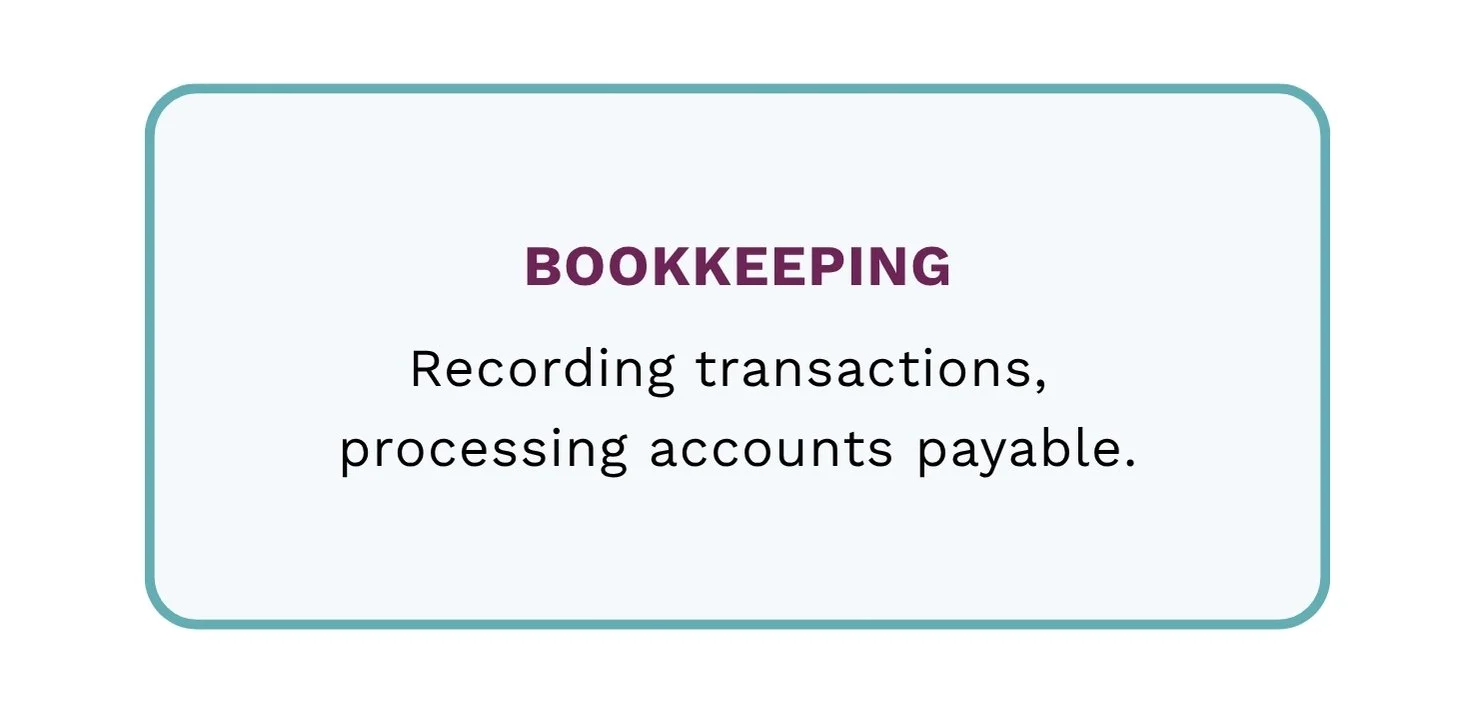
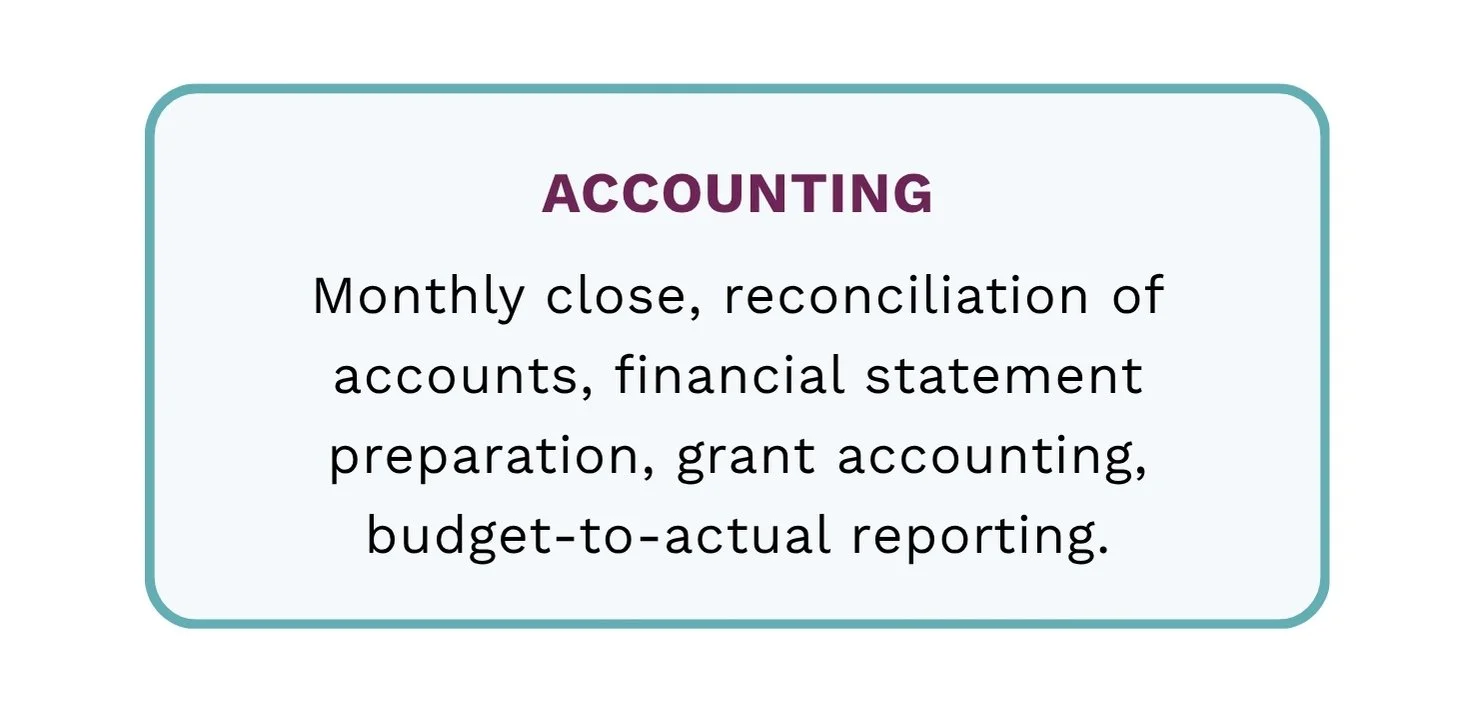
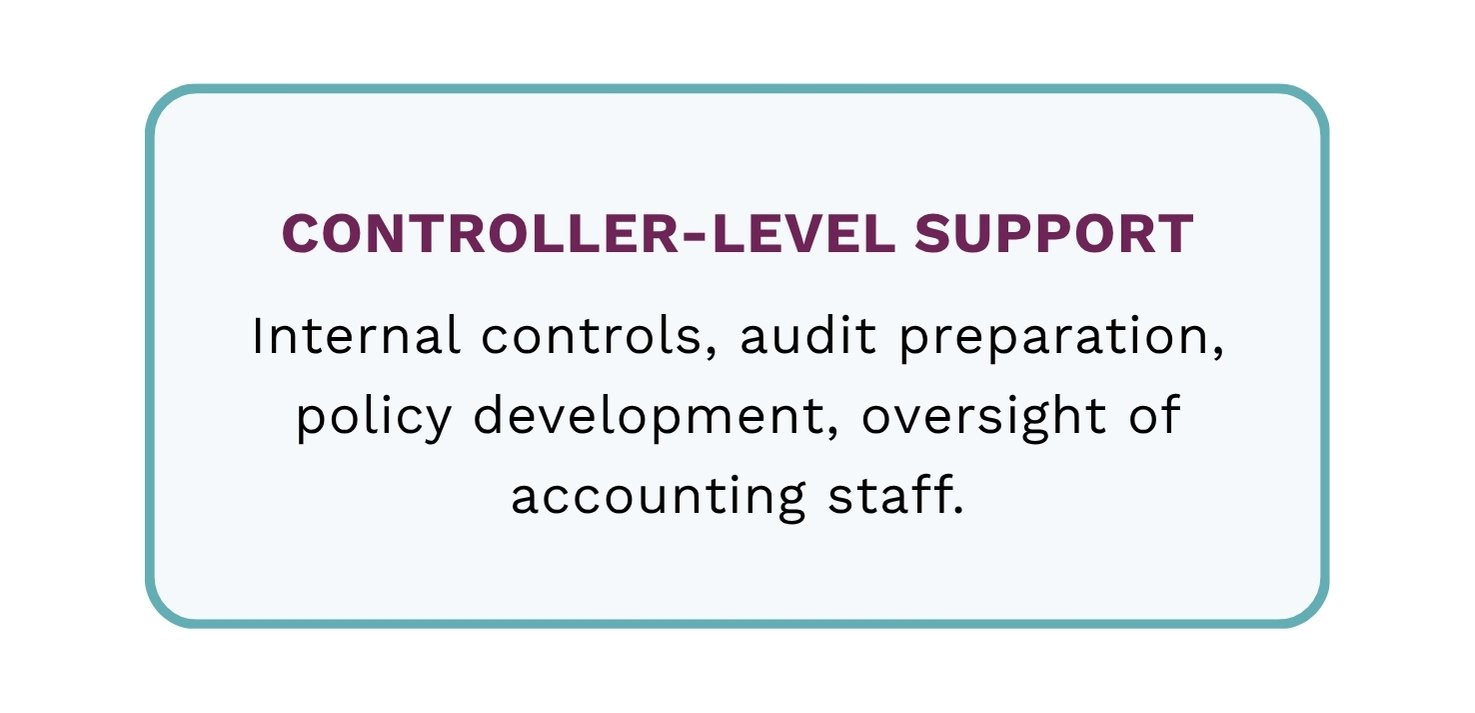
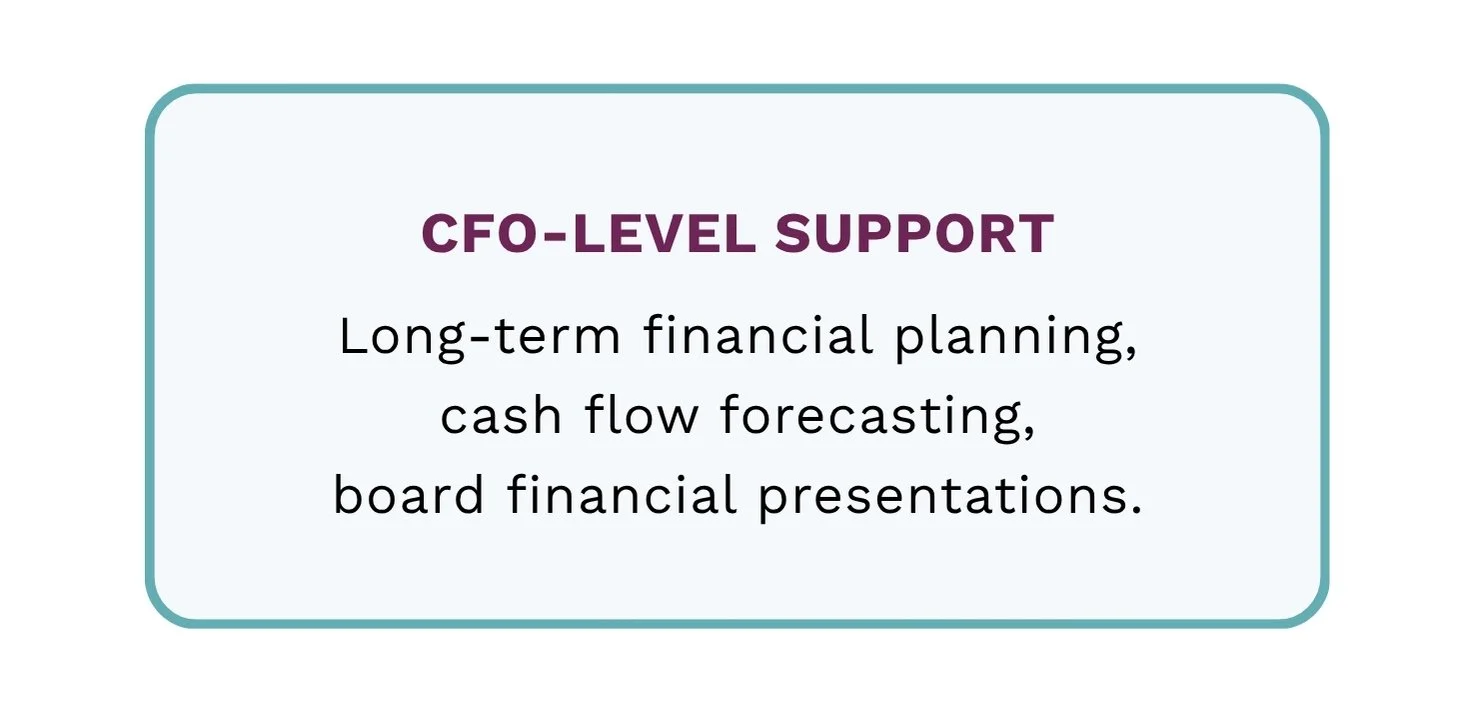
A well-written Statement of Work names which of these levels of support your flat fee actually covers, so there's no ambiguity about what's included and what isn't.
Why the Cheapest Option Isn't Always the Right One
It's tempting to choose the lowest monthly price when comparing nonprofit accounting providers. But a flat fee that's priced too low to cover the scope your organization needs can lead to missed reconciliations, late financial statements, or grant reporting errors.
Poor financial records create real costs of their own. Mission Edge's post on why accurate accounting is critical for small nonprofit organizations outlines how inaccurate books can undermine funder confidence and board decision-making. A properly scoped flat fee protects against this by matching cost to the level of support your organization genuinely requires.
Nonprofit Accounting Cost FAQs
📊 How is a flat monthly nonprofit accounting fee determined?
The fee is based on a Statement of Work that documents your organization's transaction volume, number of grants and programs, payroll complexity, and the level of financial reporting and oversight required.
📊 Does a flat fee ever change?
Yes, but changes should be tied to a documented change in scope, such as adding a new grant or program, rather than to hours worked in a given month.
📊 What happens if our nonprofit's needs grow mid-year?
A good accounting partner will revisit the Statement of Work and adjust the flat fee to reflect the new scope, rather than adding unpredictable hourly charges.
📊 Is a flat fee always cheaper than hourly billing?
Not necessarily. The advantage of a flat fee is predictability and budgeting confidence, not always the lowest possible cost. The value comes from knowing exactly what you're paying for and what you'll receive each month.
📊 What should be included in an accounting Statement of Work?
At minimum, an SOW should specify reconciliation frequency, financial statement delivery, whether grant accounting and payroll oversight are included, audit support, and who reviews the numbers before they reach leadership or the board.
Key Takeaways
Nonprofit accounting costs typically range from $500 to $5,000 or more per month, depending on size, grants, and complexity.
Hourly billing makes nonprofit accounting costs unpredictable and can discourage organizations from asking for the support they need.
A flat monthly fee tied to a documented Statement of Work gives nonprofits a predictable cost that matches their actual monthly needs.
The right Statement of Work names the specific level of support included, whether that's bookkeeping, accounting, controller, or CFO-level work.
The cheapest flat fee isn't automatically the best one. Scope should match your organization's real requirements, not just the lowest price.

Talk with our nonprofit accounting experts to see how we can support your mission
Learn how our team supports nonprofits with accurate financial reporting, cash flow planning, and audit readiness.